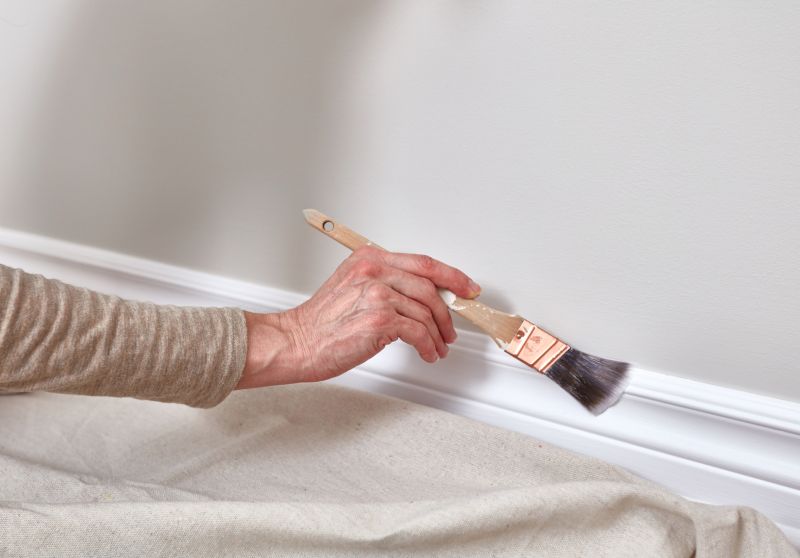
Interior Trim Staining in Wilmington, NC
Interior trim staining services involve applying a stain or finish to woodwork such as baseboards, crown molding, door casings, and window frames to enhance their appearance and protect the material. These services are commonly requested for projects aiming to update or restore the look of interior wood features, whether for a single room refresh or an entire home makeover. Property owners typically want to understand the different stain options available, the types of wood suitable for staining, and how the process can complement existing decor styles. Clarifying these details helps ensure the finished result aligns with the desired aesthetic and maintains the durability of the woodwork.
Before requesting interior trim staining, homeowners should consider the current condition of the wood surfaces, including any damage, peeling paint, or previous finishes. It’s also helpful to determine whether a natural wood look or a specific color tone is preferred, as well as any necessary surface preparation to ensure an even, long-lasting finish. Being aware of the scope of the project, such as the number of trim pieces involved and the level of detail required, can aid in planning and achieving a consistent, professional appearance throughout the space.
Many property owners in Wilmington, NC look into Interior Trim Staining for repairs, replacements, upgrades, and appearance-related improvements.
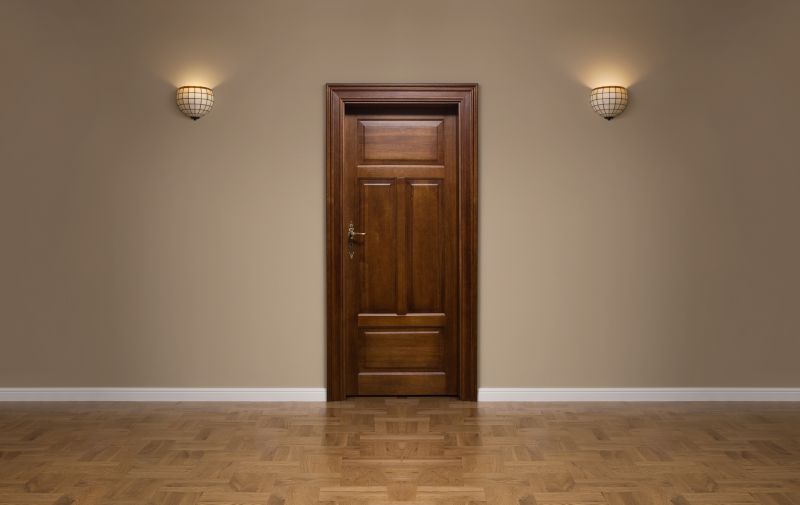
Enhancing Interior Woodwork
Staining can refresh and elevate the appearance of trim, moldings, and built-ins in homes throughout wilmington, nc.
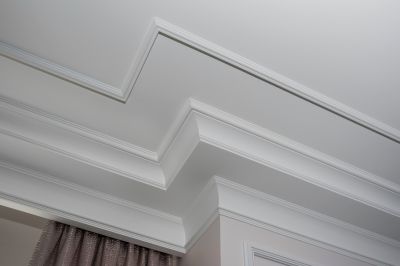
Custom Finish Options
Different stain colors and sheens allow property owners to achieve their desired aesthetic and complement existing decor.
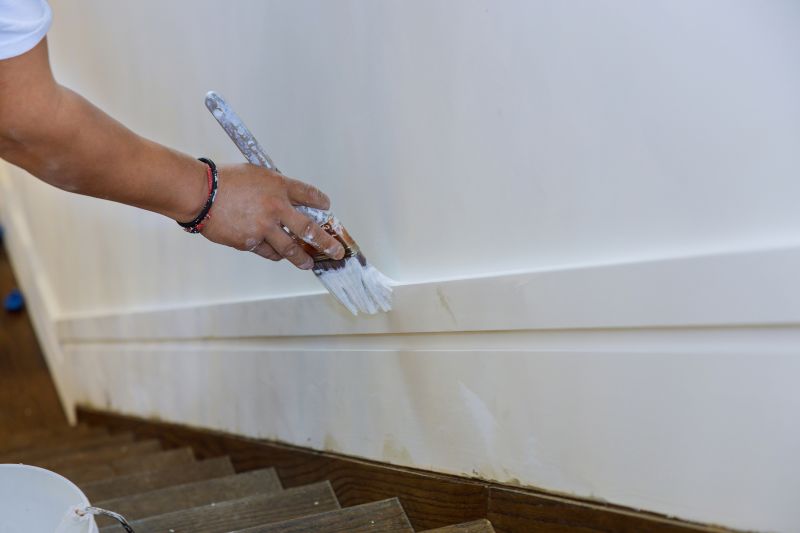
Protecting Interior Surfaces
Staining not only enhances visual appeal but also helps safeguard wood surfaces against wear and environmental damage.
Interior Trim Staining in Wilmington, NC
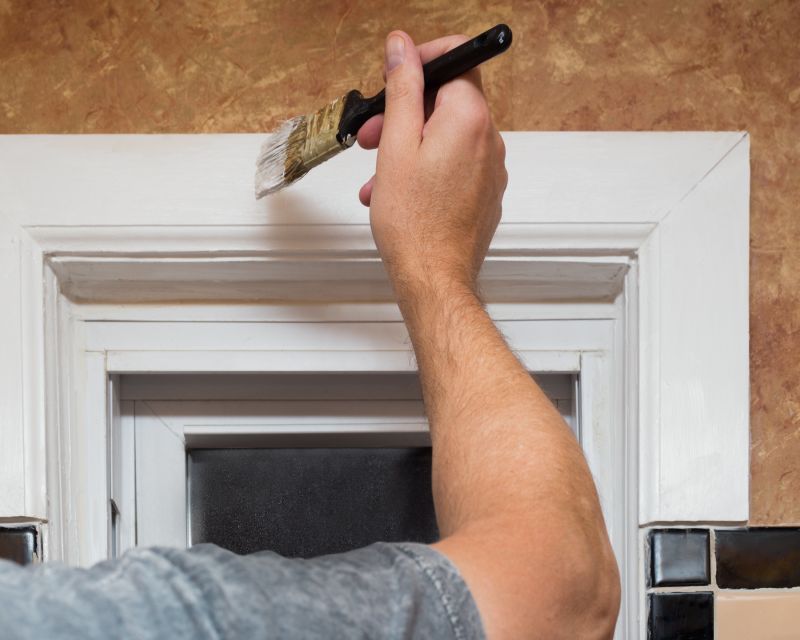
Interior trim staining services involve applying a stain or finish to woodwork such as baseboards, crown molding, door casings, and window frames to enhance their appearance and protect the material. These services are commonly requested for projects aiming to update or restore the look of interior wood features, whether for a single room refresh or an entire home makeover. Property owners typically want to understand the different stain options available, the types of wood suitable for staining, and how the process can complement existing decor styles. Clarifying these details helps ensure the finished result aligns with the desired aesthetic and maintains the durability of the woodwork.
Before requesting interior trim staining, homeowners should consider the current condition of the wood surfaces, including any damage, peeling paint, or previous finishes. It’s also helpful to determine whether a natural wood look or a specific color tone is preferred, as well as any necessary surface preparation to ensure an even, long-lasting finish. Being aware of the scope of the project, such as the number of trim pieces involved and the level of detail required, can aid in planning and achieving a consistent, professional appearance throughout the space.
Many property owners in Wilmington, NC look into Interior Trim Staining for repairs, replacements, upgrades, and appearance-related improvements.
Common Interior Trim Staining Jobs
Interior Trim Staining Services - enhance the appearance of wood trim, doors, and moldings with professional staining.
Woodwork Refinishing - restore and refresh existing interior wood surfaces to match new decor.
Color Matching - ensure stain colors complement existing finishes for a seamless look.
Surface Preparation - properly sand and prep wood surfaces to achieve smooth, even stain application.
Custom Stain Colors - create unique and personalized finishes to match homeowner preferences.
Damage Repair - address scratches, dents, and imperfections before staining for a flawless result.
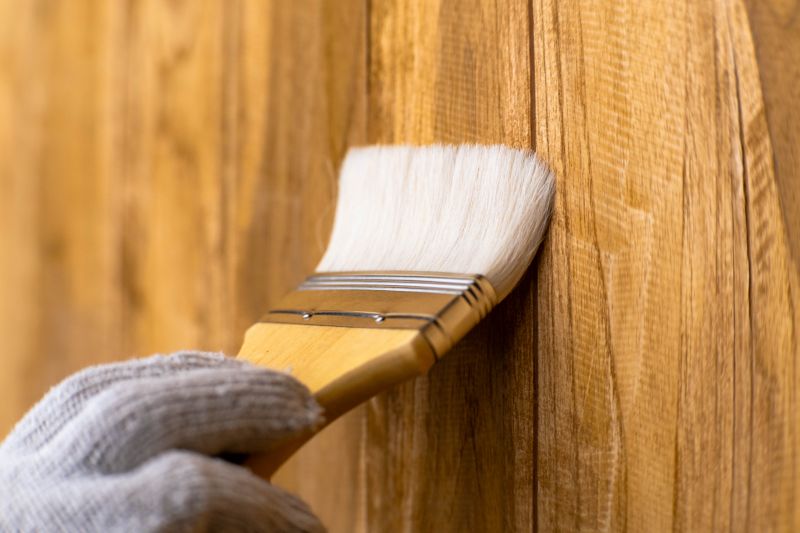
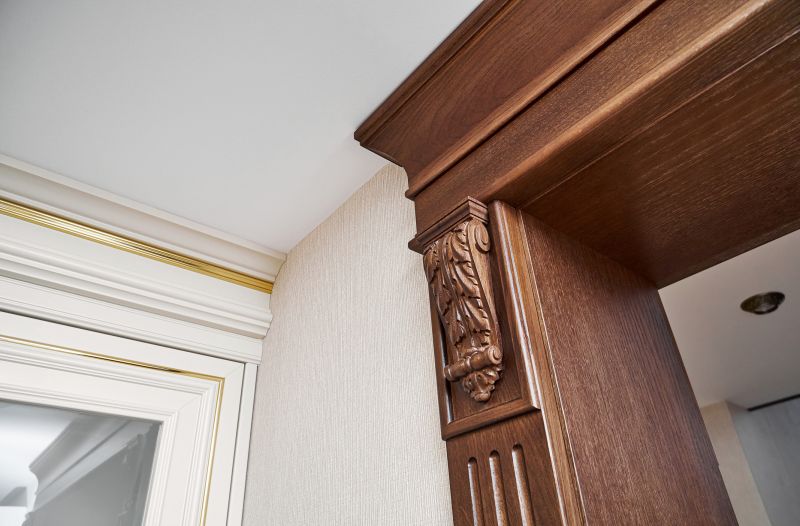
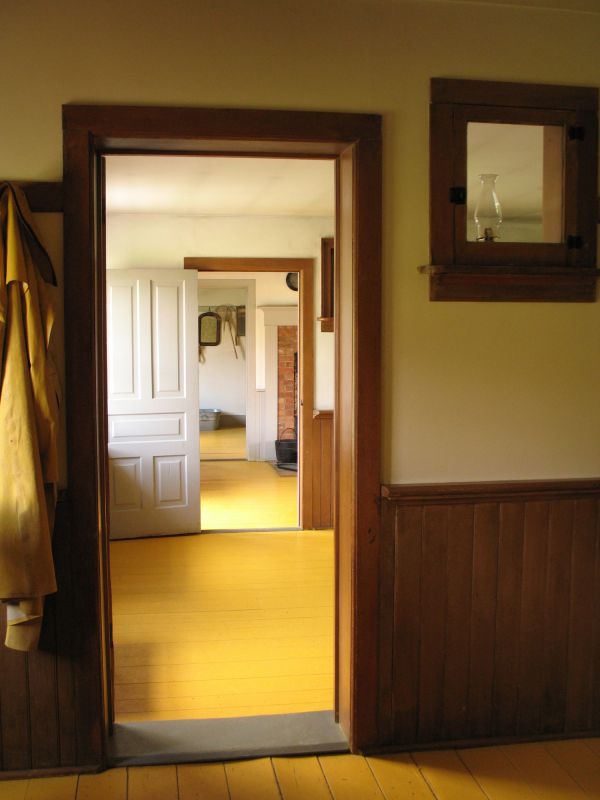
Interior Trim Staining Questions
What types of interior trim can be stained? Interior trim staining can be applied to baseboards, crown molding, door and window casings, and other wood accents to enhance their appearance.
Is staining suitable for all wood surfaces? Staining works best on unfinished or lightly finished wood surfaces, providing a rich color and highlighting the wood grain.
How does staining differ from painting? Staining penetrates the wood to enhance natural features, while painting adds a solid color layer on top of the surface.
What should property owners consider before staining interior trim? It's important to consider the existing finish, desired color, and the type of wood to ensure the best results for interior trim staining projects.
Request Interior Trim Staining in Wilmington, NC
Use the quote form on this page to share the basics of your project and request more information for the type of work you need.